The Mechanics Behind a £1 Spin: RTP, Volatility and Budget in 2026
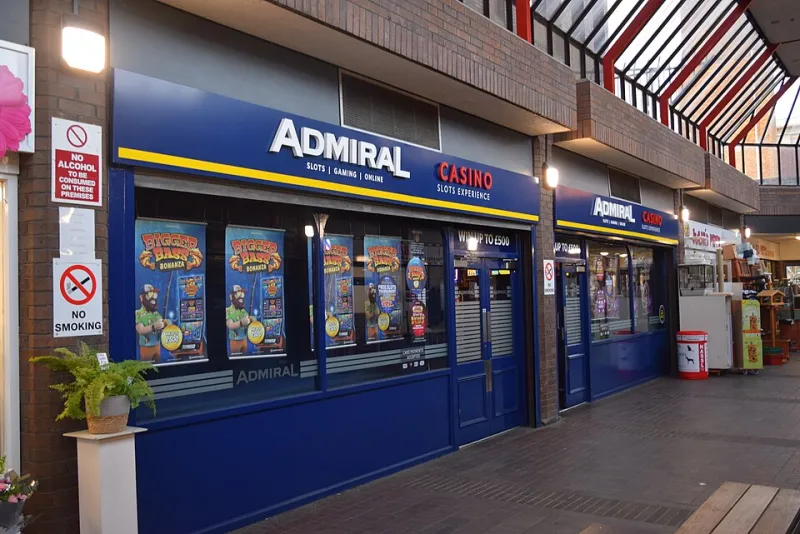
Photo: Mtaylor848, CC BY-SA 4.0, via Wikimedia Commons
Picture two £1 spins on two different slots. On one, the reels seem to tick over with small returns and plenty of near-misses. On the other, the screen stays quiet for ages and then a bonus round lands. Same stake, same licence, same player — completely different night. Neither game is 'broken', and neither is 'due'. They are simply built with different mechanics. At NationalCasino.io, we think the trick is learning to read those mechanics before you deposit, not after your balance has had a wobble.
RTP is a long-run average, not a personal promise
Return to player, or RTP, is usually shown as a percentage. A 96% RTP game is designed to pay back 96% of all stakes over a huge number of spins, with the remaining 4% representing the house edge. That does not mean you will get £96 back from £100 today. It is a long-run figure across millions of spins, and your session can land anywhere above or below it.
One UK-specific catch: some slots have more than one RTP setting, and the version you are playing may not be the headline one. Check the game rules or information panel inside the casino, not just the advert. If the RTP is buried, that is a useful clue about how transparent the operator is being.
Volatility is the shape of the ride
Volatility — sometimes called variance — describes how a game delivers its wins. Low-volatility slots tend to produce smaller, more frequent returns. High-volatility slots may go long stretches without much happening, then produce a larger win. Medium volatility sits somewhere between the two.
Two games can both have 96% RTP and still feel nothing alike. A low-volatility game might keep you ticking along with lots of small wins; a high-volatility game might eat 100 spins before a feature lands. The RTP is the same theoretical average, but the experience is not.
Hit frequency tells you how often, not how much
Hit frequency is the percentage of spins that return something. A 30% hit frequency sounds generous — roughly three in ten spins — but many of those returns may be smaller than your stake. A game with a 20% hit frequency can still be enjoyable if the wins are larger when they land. Hit frequency is a texture clue, not a profit forecast.
Max win: read the small print, not the billboard
A '10,000x max win' sounds enormous, and at £1 per spin it technically means £10,000. But check whether the maximum win is capped in cash, whether it applies only to certain bonus combinations, and how rare the top result is. A huge multiplier on a high-volatility game is not a promise of a big payout; it is a design choice that shapes the risk.
Two £1 spins, two different budgets
Imagine Game A: 96% RTP, low volatility, hit frequency around 35%, max win 500x. Game B: 96% RTP, high volatility, hit frequency around 18%, max win 20,000x. If your budget is £20 and you want a longer session, Game A may suit you better. If you are comfortable with long losing streaks and want a shot at a rarer big win, Game B might fit — as long as you can afford the dry spells. The mistake is picking Game B with a Game A budget.
A 60-second game info check
Before you spin, look for:
- RTP and whether the game has multiple versions
- Volatility, if the provider publishes it
- Hit frequency, where available
- Max win and any cash cap
- Minimum and maximum stake
- Bonus buy, ante bet or extra-bet features and their rules
- Whether the paytable matches the game you think you are playing
If the information is hard to find, treat that as a warning light. A UK-licensed casino should make game rules accessible; you should not have to guess.
Match the mechanics to your tolerance
Your budget and your patience are part of the equation. Low volatility can suit players who want more frequent small wins and steadier sessions. High volatility can suit players who understand that long losing runs are part of the design. Neither is 'better'. What matters is that you are not chasing a 'hot' machine, a 'due' payout or a bonus round that owes you anything. Each spin is independent, and the RTP does not build up a debt to you.
Set a loss limit before you play, keep stakes sensible, and take a break if the session stops being fun. If you want to compare how UK casinos present game information, NationalCasino.io's guides are here to help you read the small print without the hype.