A Fiver From a Mate: The Deposit Mix-Up That Can Stall a UK Casino Cashout
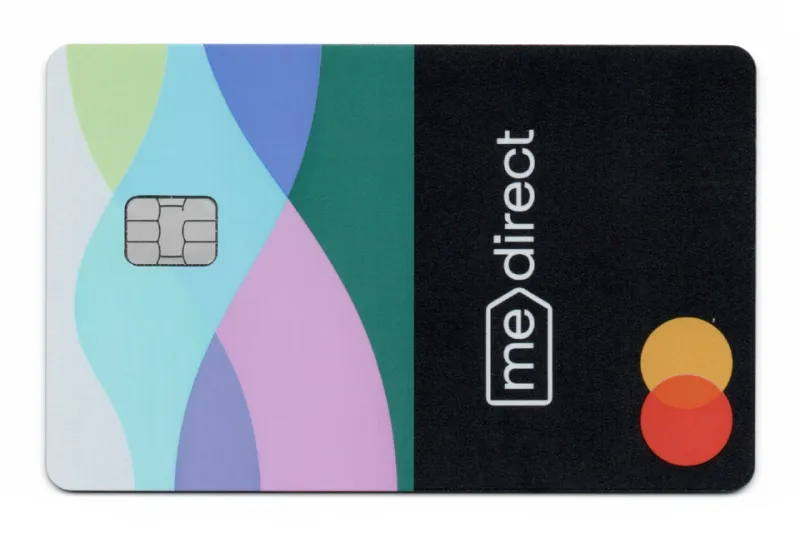
Photo: Filippos Fragkogiannis, Public domain, via Wikimedia Commons
Picture the scene. You’re signed in to your UK casino account, your own debit card is playing up, and your partner says, ‘Just use mine.’ You tap in their card details, deposit £20, have a modest session, and later request a £300 withdrawal. A few hours later the cashout is stuck. Support asks for a bank statement, then a card statement, then an explanation of who the card belongs to. Nothing shady has happened — but the payment trail no longer matches the account holder, and that is exactly the kind of thing UK-licensed casinos are required to look at.
At NationalCasino.io, we are not here to wag a finger. This is a practical guide to an ordinary admin mistake that can turn into a very unordinary withdrawal delay.
Why the name on the card matters
UK casinos operate under money laundering regulations and Gambling Commission requirements. In plain English, they need to understand where a player’s money has come from and where winnings are going. A deposit from a card in your own name is boring in the best possible way: the account name, the payment method and the player all line up. A deposit from someone else’s card breaks that chain.
That does not mean the casino thinks your mate is running a money-laundering ring. It means the payment is a red flag in an automated review, and red flags get checked. Casinos also have to think about chargebacks and payment disputes. If a withdrawal is paid to an account that did not fund the original deposit, the paper trail gets messier still.
The principle is simple: the person gambling should be the person paying. A joint account can complicate things too. If the casino account is in your name only, a card linked to a joint account may still need explaining, so ask support before you deposit rather than after.
What can happen to your account and cashout
Outcomes vary by operator and by the facts. A small accidental third-party deposit is not automatically a life sentence. But you should expect the casino to pause withdrawals while it reviews the account. Common next steps include:
- A request for photo ID and proof of address.
- A bank or card statement showing the deposit in question.
- An explanation of the relationship between you and the cardholder.
- A request for the cardholder to confirm they authorised the payment.
- A source-of-funds check if the overall pattern looks unusual.
In some cases the casino may return the third-party deposit and void any winnings linked to it. In others it may allow the account to continue once the checks are complete. Some terms and conditions explicitly prohibit third-party payments, so the exact wording of the casino’s terms matters. The important point is that a pending cashout can sit in limbo while this is sorted out, and repeated deposits from the same outside card will make the review longer and more serious.
How the mix-up usually happens
The classic route is a failed card. Your own payment is declined, a partner hands over theirs, and the deposit goes through. Less obvious routes include saved wallet details linked to someone else’s card, a family member topping up your account as a gift, or a card from a joint account that does not carry your name. Even a small amount can trigger a review because the system is matching names, not judging intentions.
What you should not do is try to muddle through. Opening a second account, making more deposits from your own card to ‘dilute’ the issue, or asking a friend to pretend the payment was yours can turn a straightforward admin problem into something that looks like evasion. Keep it clean and keep it honest.
Prevention: keep the money trail boring
Before you deposit a penny, check three things: the casino account name, the payment method name and the bank account name. They should all point to you. If they do not, stop and use a method that does.
A few habits worth keeping:
- Only use debit cards, bank transfers or e-wallets in your own name.
- Do not use a partner’s, friend’s or relative’s card, even with permission and even for a fiver.
- Check saved payment methods in your casino account and remove anything that is not yours.
- If someone wants to give you money as a gift, have it reach your own bank account first and deposit from your own payment method. Do not hand your casino login to anyone.
- Keep deposit records simple. You do not need to over-share, but you should be able to show where your own money came from if asked.
If it has already happened: a calm recovery plan
First, stop depositing and stop playing on the account. Then contact support through the casino’s secure channel and explain the situation plainly: the date, the amount, and whose card was used. Do not bury it. A short, factual message is better than a long story.
Ask what they need to resolve the review and what the expected timeline is. Send only the documents requested, through the secure upload or email route they specify. If you are sending bank statements, you can redact unrelated transactions, but do not alter the lines that show the casino payment. Keep copies of every message and ask for the outcome in writing.
If the casino voids winnings or closes the account, ask for the reasoning and the relevant terms. If you are unhappy with the final response, use the casino’s internal complaints process first. UK-licensed operators should then point you to an independent ADR provider if the complaint cannot be resolved. That route is slower than a chat window, but it exists for a reason.
And if the whole episode has made you realise the account is getting more use than you want, ask about time-out or self-exclusion tools while you are in touch with support. You do not need to wait for a withdrawal problem to press pause.
The takeaway
A casino account is not a shared household pot. It is a named financial account with a payment trail attached, and UK casinos are required to care about that trail. The safest deposit is the one that comes from you, in your name, with no explaining to do later. If a card is not yours, leave it in the wallet — even if it is only a fiver.